Have you been looking for a compact audio interface that lets you record, stream, and monitor professional audio on the go?
Introduction
You’re about to get a practical and thorough guide to the eversolo portable audio interface, with a special focus on the eversolo DMP A6. This article will help you understand what the device does, how to set it up, and how to get the most out of it whether you record music, podcasts, or live streams. You’ll find clear instructions, technical details, troubleshooting tips, and recommended workflows.
What is the eversolo DMP A6?
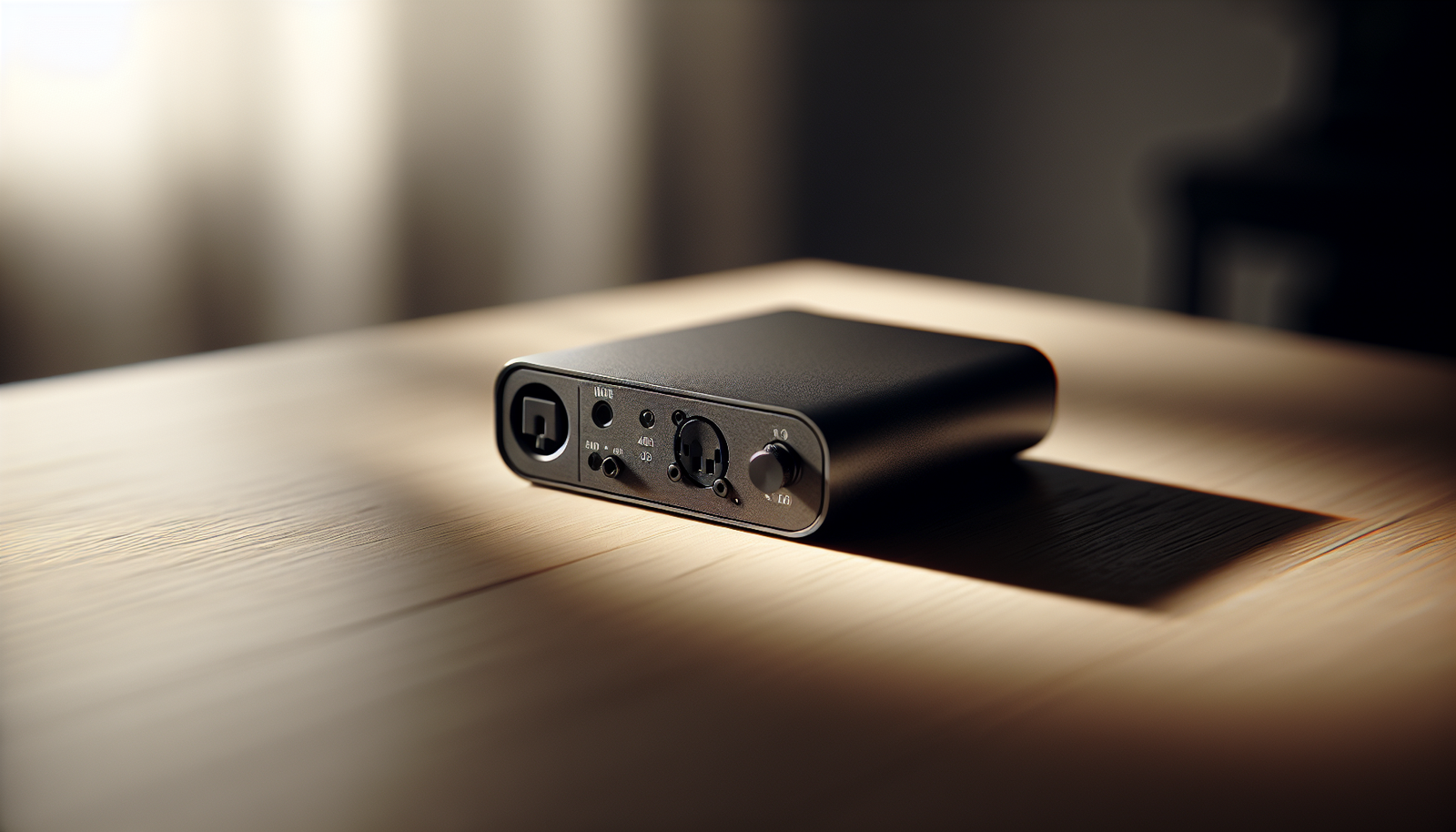
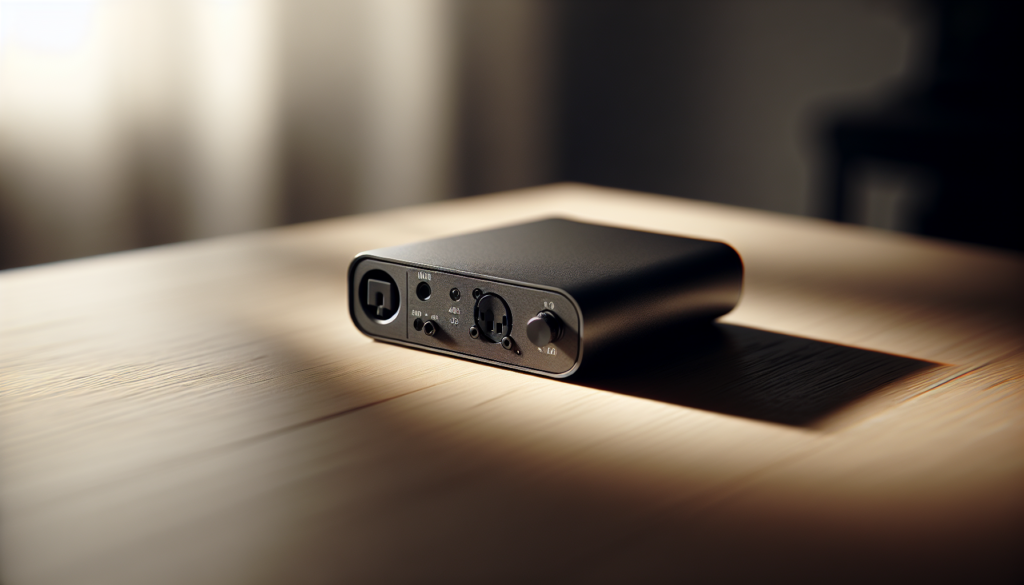
The eversolo DMP A6 is a compact, portable audio interface designed to bridge microphones, instruments, and line-level devices to computers, phones, and tablets. It’s aimed at creators who need high-quality audio capture and flexible connectivity without the bulk of studio hardware. You’ll benefit from features such as multiple inputs, direct monitoring, and low-latency operation in a travel-ready package.
Who should consider the DMP A6?
You should consider the DMP A6 if you:
- Record on the go and need a lightweight, bus-powered interface.
- Produce podcasts, livestreams, or music with compact setups.
- Use mobile devices (iOS/Android) or laptops and need cross-platform compatibility.
- Prefer a straightforward interface with clear controls and reliable performance.
Key features overview
You’ll find several core features that make the DMP A6 useful:
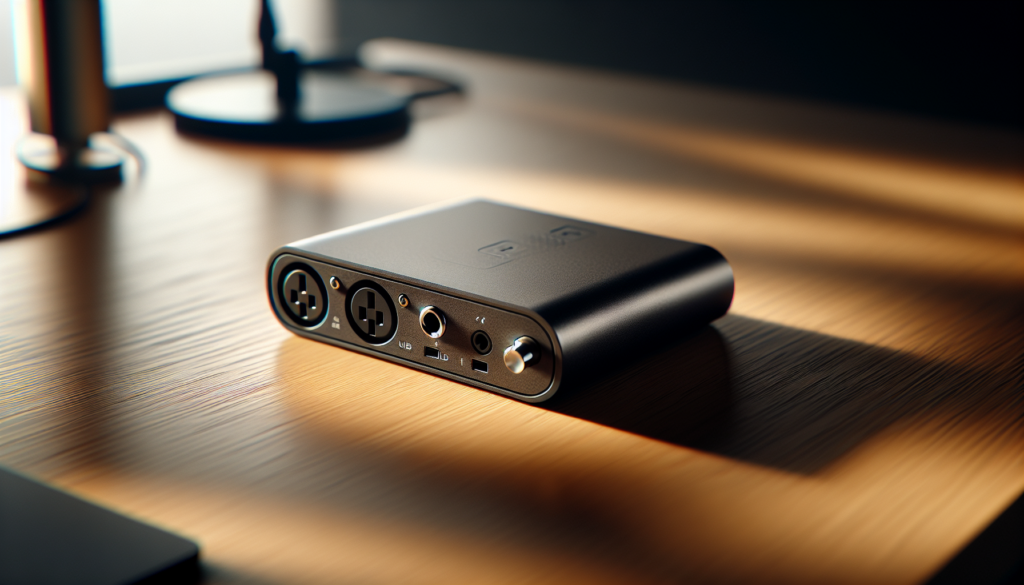
- Multiple input types including XLR and 1/4″ for mic and instrument connections.
- Built-in preamps and selectable phantom power for condenser microphones.
- Headphone monitoring with a direct monitor mix to reduce latency while recording.
- USB-C connectivity for modern devices and fast data transfer.
- Compact, rugged housing suitable for mobile use.
Technical specifications
Below is a table that summarizes the most relevant technical specifications so you can compare and check compatibility quickly.
| Specification | Detail |
|---|---|
| Model | eversolo DMP A6 |
| Inputs | 1× XLR mic preamp (combo XLR/TRS), 1× instrument/line (1/4″ or combo), stereo line-in (optional) |
| Phantom Power | +48V switchable |
| Outputs | 1× stereo headphone (1/4″), 2× line outs (RCA or TRS depending on model) |
| Sample Rates | 44.1 kHz, 48 kHz, often up to 96 kHz (model dependent) |
| Bit Depth | 24-bit |
| Connection | USB-C to host (supports USB Audio Class) |
| Power | Bus-powered via USB; some variants support external power |
| Monitoring | Hardware direct monitoring with mix control |
| Dimensions | Compact, pocket-friendly (varies by unit) |
| Weight | Lightweight (varies by unit) |
| Compatibility | Windows, macOS, iOS, Android (class-compliant for most hosts) |
Note: Exact inputs, sample rates, and connector types may vary slightly by regional model or firmware version. Always check the unit label or packaging for precise specs.
Input and output breakdown
Understanding the I/O layout helps you plan your setup. This table outlines the common ports and their functions.
| Port | Purpose | Typical Use |
|---|---|---|
| XLR / Combo Input | Mic or line input with preamp | Connect microphones, DI boxes, or balanced line sources |
| 1/4″ Instrument Input | High-impedance input for guitars and basses | Plug electric guitars or basses directly |
| 1/4″ Headphone Out | Stereo monitoring | Connect headphones for tracking and mixing |
| Line Outs (TRS/RCA) | Send audio to monitors or mixers | Connect powered speakers or external mixers |
| USB-C | Host connection and power | Connect to laptop, phone, or tablet for audio transfer |
| +48V Switch | Phantom power | Power condenser microphones that require phantom supply |
Compatibility and platform notes
You’ll want to check compatibility before you connect your device. The DMP A6 is usually class-compliant, meaning it works without drivers on macOS, iOS, Android, and many Linux distributions. Windows often requires either generic USB audio drivers or specific drivers provided by eversolo for best performance and lower latency.
- macOS: Typically plug-and-play. Use Audio MIDI Setup to configure sample rate and channels.
- Windows: You may need to install a driver for ASIO support. Check eversolo’s website for a driver download if you need lower latency.
- iOS and iPadOS: Use a USB-C to USB-C connection or a USB-C to Lightning adapter (if your device requires it). The interface should be class-compliant and recognized in apps like GarageBand and other audio apps.
- Android: Many modern Android devices support USB audio class. Use a compatible cable and enable USB audio mode in your device settings if necessary.
- Linux: Class-compliant devices usually work with ALSA/PulseAudio and JACK. You’ll need to verify device recognition in your distribution.
Unboxing and physical inspection
When you unpack the device, take a quick inventory. You should typically find:
- The eversolo DMP A6 unit.
- USB-C cable (sometimes USB-A to USB-C included depending on package).
- Quick start guide or user manual.
- Warranty and registration information.
Inspect the chassis for any shipping damage. Confirm that connectors feel secure and that any switches move smoothly. Familiarize yourself with front and rear panel labels so you can plug in without confusion.
Basic setup — first connection
Here’s a straightforward way to get started:
- Connect the DMP A6 to your host device using the included USB-C cable. If you’re connecting to a phone or tablet, use a suitable adapter or cable.
- Power the host device on, then power any required devices (speakers, monitors).
- If you’re using a condenser mic, plug it into the XLR input and enable +48V phantom power.
- Put on headphones and turn monitoring to a moderate level.
- Open your recording app or DAW and select the eversolo device as the audio input and output.
If the host doesn’t immediately recognize the unit, try a different cable or a different USB port. On Windows, check Device Manager and install drivers if needed.
DAW setup and driver notes
You’ll need to set the eversolo as the input/output device in your DAW. Steps vary by DAW but the essentials are:
- macOS (Logic, GarageBand, Reaper): Go to Preferences > Audio, select the eversolo unit as the input and output device, and set buffer size/sample rate.
- Windows (Pro Tools, Reaper, Ableton): Install ASIO driver if provided. Choose ASIO driver in audio settings for lower latency.
- iOS apps (GarageBand, Cubasis): Choose the external audio device in the app settings; many apps auto-detect class-compliant interfaces.
Adjust buffer size based on whether you’re tracking or mixing. Lower buffer sizes reduce latency for monitoring while tracking; higher buffer sizes increase stability while mixing and using many plugins.
Gain staging and preamp use
Proper gain staging ensures clean recordings. Follow these steps:
- Set preamp gain so the loudest signal peaks around -6 dBFS in your DAW meters.
- Avoid peaking near 0 dBFS to prevent clipping.
- Use the pad or attenuation if input signals are unusually hot.
- If recording instruments, engage the instrument input for impedance matching.
If you’re unsure of optimal gain, start with the gain knob at a low setting and slowly increase while monitoring levels.
Monitoring and direct monitoring
The DMP A6 typically provides a direct monitor feature, allowing you to monitor inputs with zero latency. Use direct monitoring during tracking to hear your performance in real time without round-trip latency from the DAW. Balance direct monitor mix to blend live input and playback from the DAW. Headphone output provides monitoring, and line outs feed studio monitors.
Recording microphones and instruments
Use these tips for common sources:
Recording vocals:
- Use a shock mount and pop filter.
- Engage +48V phantom for condenser microphones.
- Position the microphone 6–12 inches from the vocalist depending on style.
- Monitor in headphones to avoid bleed into the mic.
Recording guitars:
- Direct Input (DI): Use the instrument input for direct recording and amp modeling.
- Mic’d Amp: Place a dynamic mic (like an SM57) close to the amp cone and connect to the XLR input.
- Combine DI and mic signals for re-amping flexibility.
Recording keyboards and line-level sources:
- Connect line outputs from keyboards to the line inputs.
- Set input gain lower than mic levels to avoid clipping.
Mobile workflows: recording on phones and tablets
You’ll get a flexible mobile recording setup with the DMP A6:
- Use a USB-C phone or adapter for iPhone/iPad as required.
- Open a mobile DAW or recording app (GarageBand, Ferrite, BandLab) and set the interface as the input source.
- Record multiple takes, use headphones for monitoring, and save or transfer files to your desktop for further editing.
Mobile recording benefits:
- Portability for field recordings, interviews, and location sessions.
- Quick setup for remote podcasting and live-stream interviews.
- Battery life is reliant on the host device if the interface is bus-powered.
Live streaming and podcasting
The DMP A6 is well-suited for live streaming and podcasting. Consider these practices:
- Use a dynamic mic for live environments to reduce room noise.
- Enable direct monitoring to avoid latency while speaking.
- Use software mixers (OBS, Streamlabs) to route audio and adjust levels.
- If you have multiple mics, consider using a small mixer or multi-input interface with the A6 as the main device if needed.
Record local backups at high quality by recording directly in your DAW while streaming to prevent quality loss from streaming services.
Firmware updates and maintenance
Check the manufacturer’s website for firmware updates. Firmware can improve stability, add features, or fix bugs. Follow these general steps:
- Download firmware files and instructions from eversolo’s official site.
- Connect your device and back up important settings.
- Run firmware update utility exactly as instructed.
- Do not disconnect the device during the update.
For maintenance:
- Keep connectors clean and dry.
- Store the unit in a padded bag when traveling.
- Use quality cables to avoid static and dropouts.
Troubleshooting common issues
Here are common problems and how you can address them:
No audio output:
- Check host volume and DAW routing.
- Ensure unit is selected as input/output device in OS and app.
- Try another USB port or cable.
Latency or stuttering:
- Reduce buffer size for latency; increase buffer size for stability.
- Close background apps that may compete for CPU.
- Install or update ASIO drivers on Windows for best results.
Phantom power issues:
- Confirm +48V is enabled only when using condenser mics.
- Power down before connecting the mic when possible to avoid pops.
- If phantom power causes hum, test with another cable or mic.
Mic not recognized:
- Check XLR cable continuity.
- Test the mic with another interface to rule out mic failure.
- Verify phantom power for condenser mics.
Distortion/clipping:
- Lower preamp gain.
- Use pad if available or reduce incoming signal level.
- Move mic farther from sound source.
Accessories you should consider
These accessories will extend your setup and improve usability:
- Quality XLR cables for clean signal transfer.
- Headphones with flat response for better monitoring.
- A small padded case for protection.
- USB-C cables with different lengths and quality builds.
- Microphone stands, shock mounts, and pop filters for vocal recording.
- Portable power bank or bus-power solution if you need to power multiple devices.
Best practices and tips
For consistent, professional results:
- Label your cables to avoid confusion in complex setups.
- Use fresh, high-quality cables to reduce noise.
- Keep firmware and drivers up to date.
- Create templates in your DAW for common sessions to save setup time.
- Regularly back up recordings to cloud or external drives.
Comparison to other portable interfaces
While the DMP A6 has advantages, you should weigh it against similar interfaces. Consider aspects like:
- Number of inputs: If you record multiple sources simultaneously, you might prefer an interface with more channels.
- Preamps and converters: Higher-end units may offer cleaner preamps and higher sample rates.
- Built-in DSP: Some interfaces include onboard effects and amp modeling, which can be useful for direct monitoring.
- Robust drivers and ecosystem: Brands with long-term driver support may deliver more stable Windows performance.
A comparison table can help:
| Category | eversolo DMP A6 | Typical Competitor (2-in/2-out) | High-end Portable Interface |
|---|---|---|---|
| Inputs | 1 mic + 1 instrument/line (combo) | 2 combo inputs | 2–4 high-quality preamps |
| Monitoring | Direct monitoring | Direct monitoring | Low-latency with DSP mixer |
| Portability | Very compact | Compact | Slightly larger, more features |
| Mobile support | Class-compliant | Varies | Often class-compliant |
| Price | Budget-friendly | Mid-range | Higher cost |
When the DMP A6 might not be the right choice
You might want a different option if:
- You regularly record more than two sources simultaneously.
- You need integrated DSP, onboard effects, or zero-latency plugin monitoring.
- You require the absolute highest-grade preamps and converters for professional studio mastering.
- You prefer a hardened rackmount solution for permanent studio installations.
Firmware/driver installation checklist
Before updating drivers or firmware:
- Read release notes to understand changes.
- Back up important project files.
- Use the specific utility from eversolo’s official website.
- Ensure your host system has a stable power source.
- Follow instructions precisely to avoid bricking the device.
Sample recording workflow (podcast)
Follow this workflow for a two-person podcast:
- Connect two mics: one to XLR, another via a small preamp or USB if you need a second input (or use a mixer).
- Enable phantom power if both are condenser mics.
- Set gain so each voice peaks around -6 dBFS.
- Use direct monitoring to hear both hosts through headphones.
- Record separate tracks for each mic if possible; otherwise record stereo and keep levels consistent.
- Save session and export masters in WAV. Archive high-res files and export MP3 for publishing.
Sample recording workflow (music)
For a solo musician recording vocals and guitar:
- Connect guitar to instrument input and mic to XLR input.
- Set gains for each source individually.
- Record a scratch guitar and vocal take to establish track layout.
- Record multiple takes and comp the best parts.
- Use a click track if timing is crucial.
- Export stems for mixing or finish in your DAW.
FAQs
Q: Can I use the DMP A6 with my smartphone? A: Yes, if your smartphone supports USB audio class and you have the proper cable/adapter, the interface should work for recording apps.
Q: Do I need phantom power? A: Only for condenser microphones that require +48V. Dynamic mics and instruments do not need phantom power.
Q: Is the DMP A6 bus-powered? A: Most units are bus-powered via USB-C, meaning they draw power from the connected device. Some scenarios, like powering multiple devices, might require external power.
Q: Will my DAW work with the DMP A6? A: Most major DAWs support class-compliant interfaces. On Windows, installing drivers may provide better performance.
Q: How do I reduce latency? A: Lower the buffer size in your DAW’s audio settings and use ASIO drivers on Windows. Use direct hardware monitoring during tracking to avoid software latency.
Final checks before recording
Before you hit record, run this quick checklist:
- Is the correct device selected in the OS and DAW?
- Are input levels set to avoid clipping?
- Is direct monitoring adjusted properly?
- Are cables secure and routed to minimize noise?
- Have you run a test recording and playback?
Conclusion
You now have a comprehensive guide to the eversolo portable audio interface, centered on the DMP A6. You should feel more confident setting up the unit, optimizing your recording chain, and troubleshooting common issues. Whether you’re podcasting, recording music, or streaming live, the DMP A6 offers a practical blend of portability and functionality. Take your time setting levels and configuring drivers to make sure your sessions run smoothly, and keep the accessories and best practices in mind for consistent results.