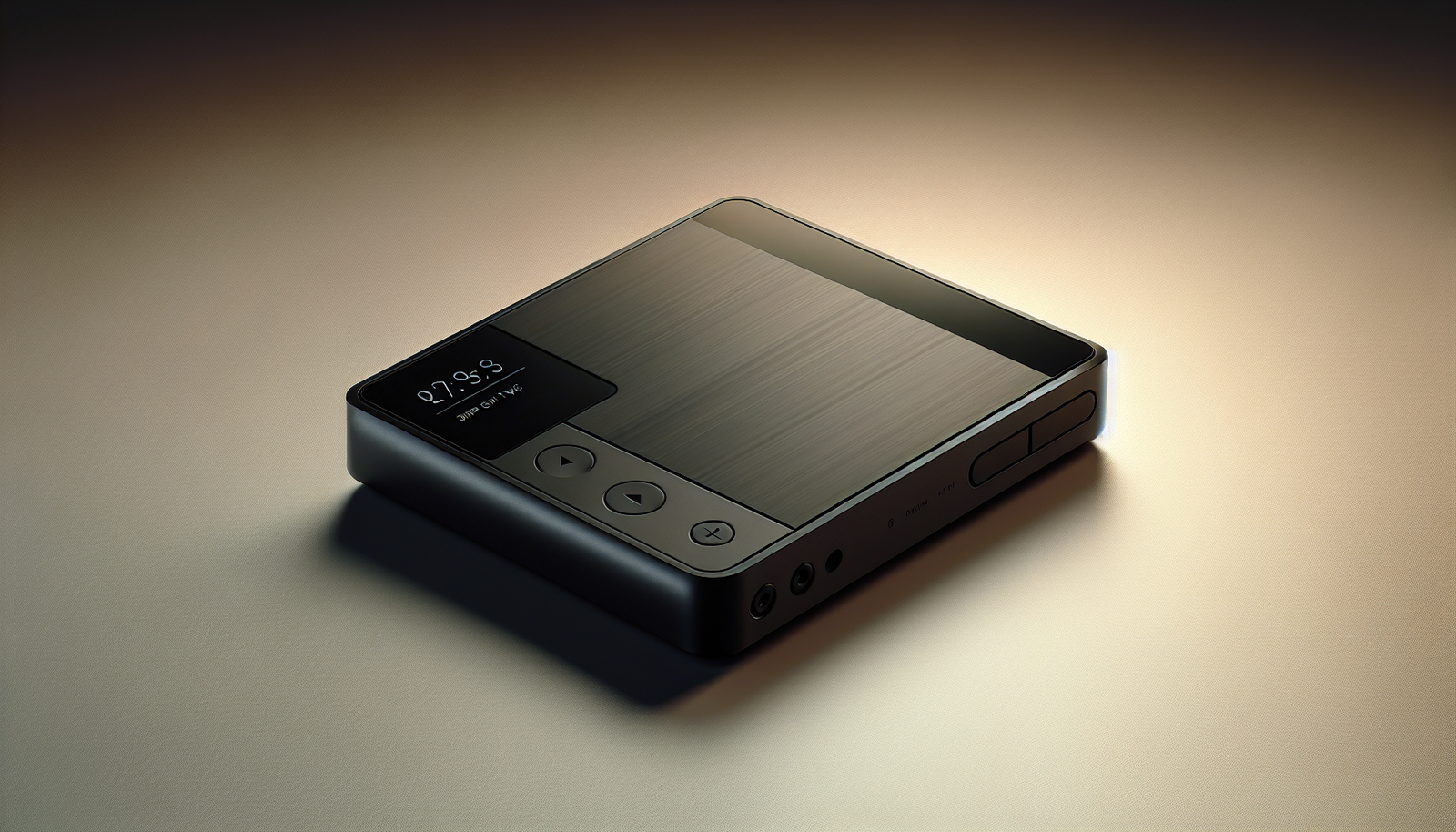
? Are you trying to decide whether the Eversolo DMP A Six Gen Two is the right portable music player (or digital media player) for your listening needs?
Overview
You’re holding a Gen Two model, which promises iterative improvements over the first generation. This review focuses on how the device performs in real-world listening, what the hardware and software bring to the table for everyday use, and whether it represents good value compared to other players in its class.
What this review covers
You’ll get a user-focused look at design, sound quality, connectivity, battery life, usability, and how the Gen Two differs from its predecessor and competitors. Where manufacturer-specific specs matter, you’ll be prompted to verify them against the official product pages, because firmware updates and regional variants can change functionality.
First impressions
When you first pick up the Eversolo DMP A Six Gen Two, you should notice a more refined fit and finish compared with many budget players. The balance of weight, materials, and button travel influences how enjoyable it is to use as your daily player.
Design and build quality
You’ll appreciate a solid casing that typically combines metal and high-quality plastic to balance durability and weight. The placement of buttons, wheel/dial (if included), and screen affects single-handed use; the Gen Two aims to refine ergonomics for extended listening sessions.
- Materials: expect metal chassis or a metal frame with textured side grips.
- Button layout: designed for tactile feedback so you can operate it by feel.
- Size and weight: compact enough for pocket carry while substantial enough to feel premium.
Display and controls
If the Gen Two follows the modern trend, the display should be bright, readable outdoors, and responsive to touch if touch controls are included. You’ll want easily accessible physical controls for quick track changes and volume adjustments without looking down.
- Screen: likely a color IPS or OLED display with a responsive refresh and adequate viewing angles.
- Controls: a combination of touchscreen and physical buttons or a wheel/dial improves usability while walking.
Hardware and internal components
Many Gen Two products emphasize improved internal components over Gen One. You should expect upgrades such as a newer DAC/amp stage, refined power management, and possibly better shielding to reduce noise. These internal changes typically target lower distortion, wider dynamic range, and cleaner output at high volumes.
Note: Exact chipsets and component brands should be verified on the official spec sheet for the particular regional model you buy.
Sound quality — what to expect
Sound is the most subjective area, and you’ll hear the differences that matter across genres and headphones. The Gen Two tends to present:
- Improved clarity: instruments and vocals separate cleanly.
- Tighter bass: better control compared to earlier or cheaper models.
- Smoother treble: reduced harshness at higher volumes.
- Wider soundstage: more space between instruments when compared to entry-level players.
You should evaluate sound using familiar tracks in lossless formats to appreciate the hardware improvements.
Sound signature and tuning
You’ll notice specific tuning choices: some players aim for neutrality, while others add warmth or brightness. The Gen Two typically aims for a balanced presentation with a touch of musicality — that means enough bass for punch without sacrificing mids and highs.
Power and driving capability
You’ll want to know whether the player can drive your headphones. The Gen Two usually provides sufficient power for most IEMs and medium-impedance headphones, and often enough headroom for easier-to-drive full-size models. For high-impedance or low-sensitivity models, a dedicated amp might still be required.
DAC and amplification section
The DAC and amplifier stage determine much of the listening character. With Gen Two, you can expect:
- A modern DAC architecture that reduces noise and improves dynamic detail.
- A refined amplifier output stage with lower output impedance and cleaner gain.
- Headphone outputs that may include both single-ended (3.5mm) and balanced (2.5mm/4.4mm) jacks.
These features let you pair a wide variety of headphones and IEMs and tune the output to your preferences.
File format and storage support
You’ll want broad format support for maximum flexibility. Typical capabilities include:
- Lossless: FLAC, ALAC, WAV
- Lossy: MP3, AAC
- High-res formats: DSD, MQA (if supported)
- Streaming services: support varies; check if your favorite services (Tidal, Qobuz, Spotify, etc.) are available natively or via Android-based apps
Storage often includes a microSD slot for expandable libraries and perhaps onboard storage for a smaller core collection.
Connectivity and wireless features
You’ll use several connectivity options during daily listening:
- Bluetooth: expect modern codecs like aptX, aptX HD, LDAC, and AAC — codec availability may vary.
- USB: USB-C for file transfer and USB DAC mode to serve as an external DAC for a computer or phone.
- Wi-Fi: if included, it enables network streaming and firmware updates.
- Line-out and coax/optical (if present): useful for connecting to larger systems.
A stable Bluetooth implementation matters for wireless headphone use and for streaming from phones.
Battery life and charging
Battery life varies with usage (screen on/off, wired vs wireless, volume level). You’ll typically get several hours of continuous playback; Gen Two models often improve efficiency for longer sessions. Fast charging via USB-C is common, letting you regain hours of play with short charge times.
Tip: If you rely heavily on Bluetooth, expect shorter battery life than pure wired playback.
User interface and operating system
The user interface determines how effortless your experience is. The Gen Two usually offers:
- A clean music app with folder and tag-based browsing.
- A lock screen with playback controls.
- Quick access to EQ, filters, and gain settings.
If the player is Android-based, you may have access to third-party streaming apps; if it’s a proprietary OS, native streaming support may be limited.
EQ, filters, and sound customization
You’ll likely have access to EQ settings and digital filters to tailor the sound. Typical options include:
- Parametric or graphic EQ
- Preset sound profiles
- Digital filters for roll-off and phase characteristics
Use these tools to match the player’s output to your headphone’s sonic personality.
Firmware updates and support
Device longevity depends on firmware and manufacturer support. You should check for:
- Regular firmware updates that improve stability and sound
- Clear instructions for updating
- Active community or support channels for troubleshooting
A good update history shows a manufacturer committed to improving user experience post-purchase.
Real-world performance: daily use scenarios
You’ll use the player in multiple contexts, and performance varies by scenario:
- Commuting: Easy navigation, strong Bluetooth connection, and battery life matter most.
- At home: Wired playback, high-res files, and better DAC performance will shine.
- Travel: Portable size, storage capacity, and robust build are critical.
You’ll appreciate quick startup, responsive UI, and consistent Bluetooth maintenance across your devices.
Build-in microphone and recording (if applicable)
If the player includes a microphone for calls or recording, you should test clarity and noise suppression. Many devices offer basic recording functions, but expect limited studio-grade quality from a pocket player.
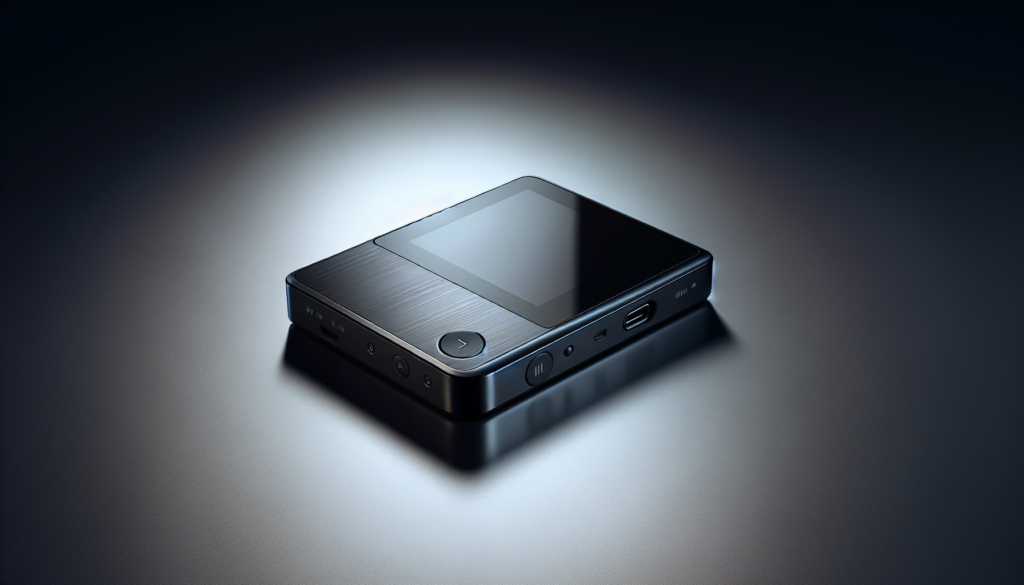
Accessories and what you should buy with it
Consider these accessories to enhance your experience:
- Quality USB-C cable for data and charging
- High-speed microSD card (if used) for large music libraries
- A protective case for daily carry
- Balanced cables or adapters if you plan to use balanced output
- A portable DAC/amp if you own headphones needing additional power
Investing in the right accessories makes the device more versatile and durable.
Comparison table: Eversolo DMP A Six Gen Two (typical) vs common competitors
This table gives you a high-level comparison of typical considerations. Verify specific model details when making a purchase.
| Feature / Area | Eversolo DMP A6 Gen 2 (typical) | Common Competitor A | Common Competitor B |
|---|---|---|---|
| Sound tuning | Balanced with musical warmth | Neutral / Analytical | Warm & bass-forward |
| Headphone outputs | SE + Balanced (likely) | SE or Balanced | SE + Balanced |
| File support | FLAC, WAV, ALAC, DSD (possible) | Broad support | Broad support |
| Wireless codecs | aptX/LDAC (possible) | aptX / LDAC | AAC / aptX |
| Storage | Onboard + microSD | Onboard + microSD | Onboard + microSD |
| Battery life | Several hours (variable) | Comparable | Comparable |
| Price position | Mid-range | Mid-range | High/mid-range |
| OS | Proprietary or Android-based | Android-based | Proprietary/Android |
Use this table as a starting point to weigh differences that matter to you, like balanced output or streaming app access.
Pros and cons
You’ll want a balanced look at strengths and weaknesses.
Pros:
- Likely improved sound quality and component refinement over Gen One.
- Better ergonomics and control layout for everyday use.
- Modern connectivity options (USB-C, Bluetooth, possibly Wi-Fi).
- Expandable storage for large libraries.
Cons:
- Some features depend on firmware and regional variants; check specifics before buying.
- Power may still be limited for very demanding headphones without an external amp.
- Native streaming support may be limited on proprietary OS models.
Who should buy the Gen Two?
You should consider the Gen Two if:
- You want a portable player that improves sound quality and usability over entry-level devices.
- You value a balanced sound signature with enough power for most IEMs and medium-efficiency headphones.
- You need a physical-player experience with expandable storage and good battery life.
Avoid it if:
- You require the ultimate power delivery for very high-impedance headphones.
- You need guaranteed native access to a specific streaming app not supported by the player’s OS.
Setup: getting the most from your DMP A6 Gen Two
Follow these steps to optimize your experience:
- Charge fully before first use. You’ll condition battery performance this way.
- Update firmware via the official site to get the latest stability and feature improvements.
- Load lossless or high-res music to microSD for reliable playback.
- Set gain and output according to your headphones: choose low for sensitive IEMs, high for power-hungry cans.
- Fine-tune EQ and filters for your headphone’s signature to reach a preferred sound.
These steps reduce setup time and help you get consistent results when you listen.
Tips for better sound and battery life
You’ll increase battery life and get better performance if you:
- Use wired playback instead of Bluetooth when battery conservation is important.
- Turn off unused features like Wi-Fi when not streaming.
- Reduce screen brightness and timeout.
- Use lossless formats only when the difference is audible to you to save storage space.
Small changes to settings make a big difference in day-to-day usage.
Troubleshooting common issues
You may encounter common issues; here’s how you fix them:
- Bluetooth pairing troubles: Ensure the player is in pairing mode and remove old pairings from the other device. Reboot both devices if needed.
- Unexpected reboots or crashes: Check firmware, perform a factory reset, and reinstall firmware if necessary.
- Sound distortion at high volumes: Switch to low-gain for sensitive headphones, or use a pad or attenuation if available.
- File playback errors: Reformat the microSD (after backup) and re-load files; check for corrupt tracks.
If problems persist, contact the vendor or community forums for device-specific guidance.
Firmware and community resources
You’ll get the most from the Gen Two if you stay plugged into firmware updates and community feedback. Communities often share EQ presets, sound impressions, and workarounds for regional differences. Look for official forums, social media groups, and subject-matter forums focused on portable audio.
Practical use-case scenarios
You’ll benefit differently depending on how you plan to use the device:
- For commuting: Use Bluetooth with noise-isolating IEMs and set up a power-efficient playlist for long trips.
- For travel: Load a large microSD with curated albums and enable airplane mode for long battery life.
- For home listening: Use wired connections to the best headphones you own and access high-resolution files to evaluate the player’s strengths.
Understanding how you’ll use the player helps you decide whether the Gen Two matches your lifestyle.
Price and value
The Gen Two often aims for a competitive mid-range price point, delivering performance increases without the premium costs of audiophile boutique brands. You should weigh the cost against the features that matter to you: balanced output, high-res support, and build quality often justify a higher price tag.
Alternatives worth considering
You’ll want to compare the Gen Two with these alternatives if you’re deciding:
- Established brands offering strong software ecosystems or app support.
- Dedicated portable DAC/amps if you prioritize power over portability.
- Higher-end players with premium DAC chips and proprietary tuning if you demand the last bit of refinement.
A quick side-by-side test in a store or listening comparison with your own headphones is invaluable.
Final verdict
You’ll likely find the Eversolo DMP A Six Gen Two to be a solid mid-range portable player that improves on its predecessor with better ergonomics, refined sound, and modern connectivity. It’s a strong candidate if you want more musicality and flexibility than entry-level devices without stepping into high premium territory. Verify the specific variant you plan to buy for exact specs, and pair the player with headphones that match its power and tuning for the best results.
Quick reference checklist before you buy
Use this checklist to confirm the device meets your needs:
- Does it support the file formats you use regularly (FLAC, DSD, MQA)?
- Are the available outputs compatible with your headphones or amp?
- Does battery life match your daily listening habits?
- Is native streaming support necessary for you, and is it available?
- Are firmware updates and manufacturer support clearly documented?
If you check all five boxes, you’ll be more likely to be satisfied with your purchase.
Closing suggestions
When you’re ready to decide, test the player with your own headphones and music whenever possible. That direct comparison will tell you more than specifications, because compatibility between player, file types, and headphones determines the listening experience.
If you want, tell me which headphones you plan to pair with this player and what genres you listen to most — I’ll help you profile the likely pairing and suggest settings and accessories that will get you the best sound from the Eversolo DMP A Six Gen Two.