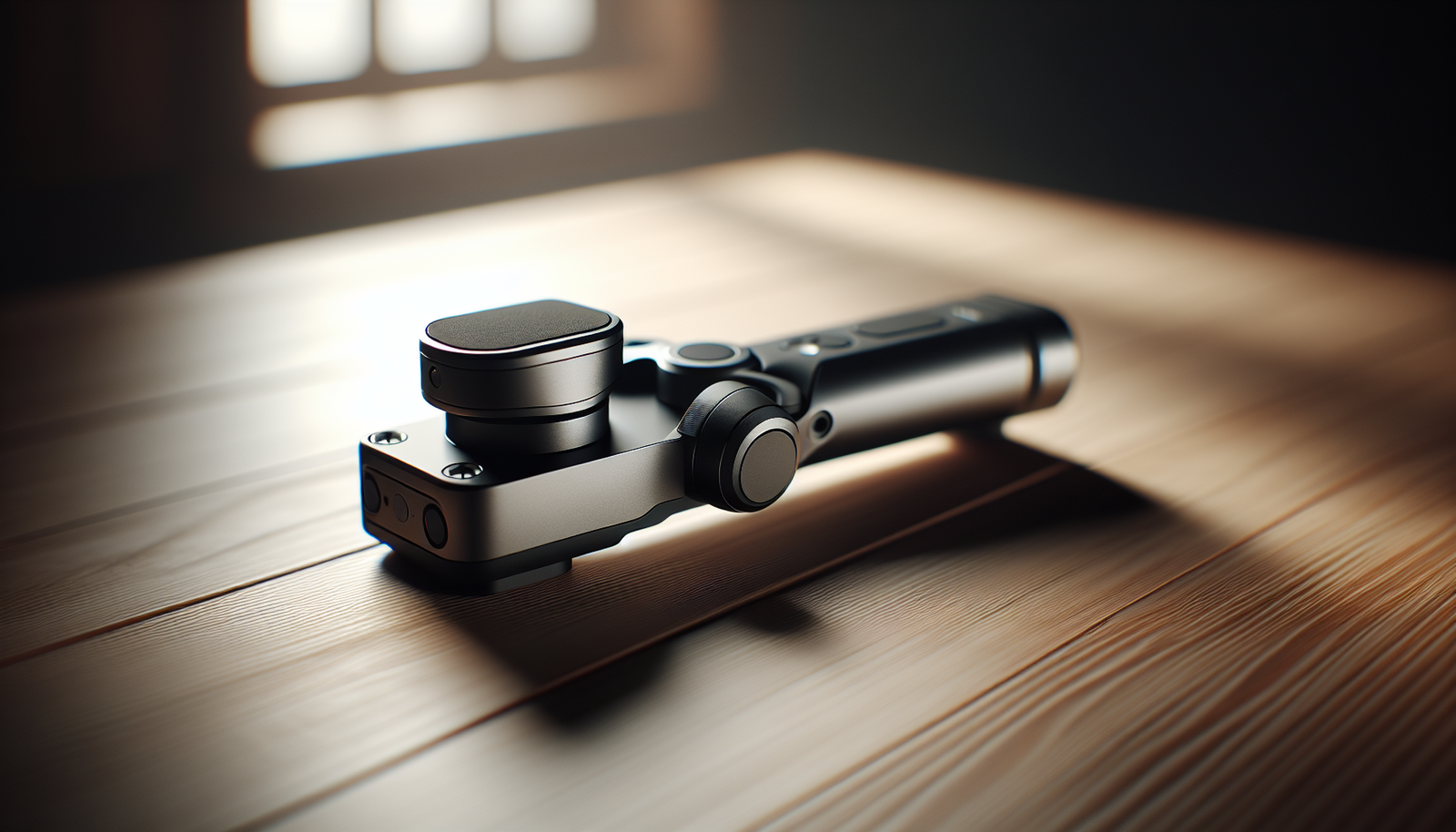
Are you looking for a compact, reliable gimbal that helps you create smoother, more polished video with less fuss?
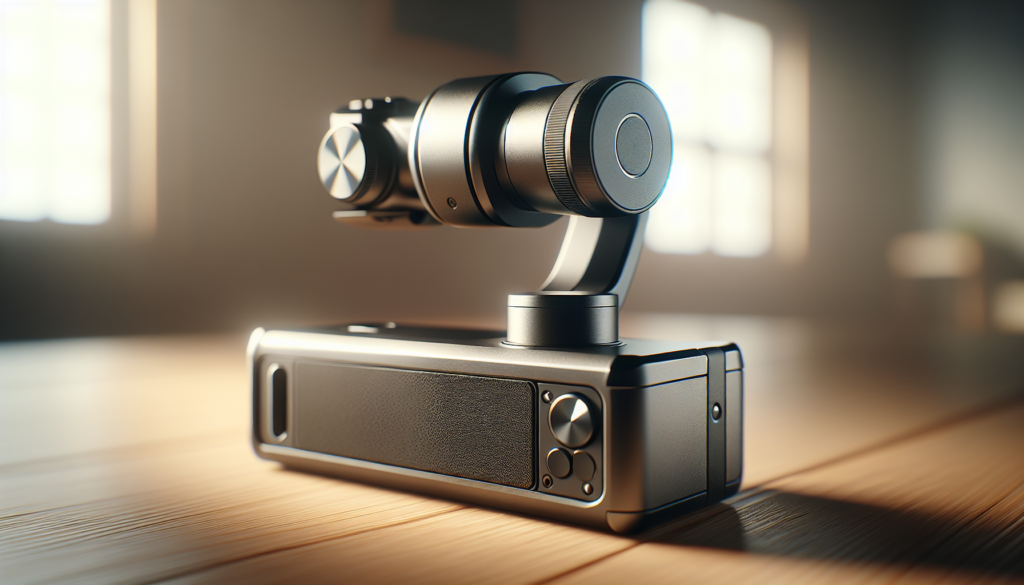
eversolo a10 compact gimbal for creators
The eversolo a10 compact gimbal for creators is built to be portable and user-friendly while giving you steady footage for vlogs, short films, social content, and run-and-gun shoots. You’ll find an emphasis on compactness, simplified controls, and features meant to help solo creators get cinematic results without a lot of gear.
Below you’ll find a thorough walkthrough of what the eversolo a10 offers, how to set it up and use it, which cameras and accessories work best, practical shooting tips, troubleshooting advice, and a buying/usage checklist. Each section breaks down important points so you can decide if this gimbal suits your workflow.
Quick overview and who it’s for
You’ll appreciate the eversolo a10 if you want a small, easily portable gimbal for everyday content creation. It’s aimed at vloggers, travel creators, small-team productions, and anyone who prefers a low-friction setup that still gives you professional-looking stabilization.
You’ll like it if you value:
- Compact size and light weight for travel
- Fast balancing and intuitive controls
- Versatility for cameras and smartphones (depending on your kit)
- Features for creative movement without complex rigging
Core features and what they mean for you
This section explains the main features you’ll encounter and how each one helps you shoot better video.
Stabilization system
The stabilization system is designed to counteract shake and vibration, so your footage looks steady as you walk or move. You’ll get smooth pan, tilt, and roll correction so handheld footage approaches the look of a tripod-mounted shot.
Compact, travel-friendly design
The a10 focuses on compactness. You’ll be able to fold or pack it in a small bag and carry it for extended shoots without fatigue. That portability makes it ideal for travel and daily vlogging.
Intuitive controls and quick mode switching
You’ll find buttons and a joystick laid out for one-handed operation. Quick access to modes like follow, lock, and sport (if available) keeps you from fumbling while shooting spontaneous moments.
Battery life and charging
A compact gimbal usually compromises some battery size for portability, but the a10 is optimized to give you hours of runtime for most use cases. USB-C charging lets you top up from power banks during long days on location.
App integration and firmware
Most modern compact gimbals pair with a smartphone app for features like object tracking, timelapse, panorama, and firmware updates. You’ll use the app to calibrate, update the gimbal, and access advanced recording tools.
Mounting and accessories
You’ll have options to add accessories like external microphones, LED lights, extension rods, or a tripod base. Accessory ports and a standard 1/4″-20 mount make the a10 compatible with common gear.
Specifications (summary)
The table below gives a high-level view of the most relevant specifications for typical compact camera gimbals like the eversolo a10. Confirm exact values with eversolo’s official documentation before purchase or if you need precise payload and runtime numbers.
| Category | Typical values / notes |
|---|---|
| Form factor | Compact, palm-sized to small handheld |
| Mounting | 1/4″-20 threaded ports; cold shoe on some units |
| Payload | Designed for mirrorless cameras, compact DSLRs, or phones (check official max payload) |
| Battery | Built-in or removable rechargeable battery; USB-C charging |
| Battery life | Several hours in normal modes (varies by load and settings) |
| Modes | Follow, Lock, POV/FPV, Sport (depending on model) |
| App features | Tracking, timelapse, panorama, calibration, firmware updates |
| Weight | Lightweight for portability (model-specific) |
| Folding | May fold for transport (model-specific) |
| Accessories | Mini tripod, counterweights, mounts, extension rod compatibility |
Camera and device compatibility
You’ll want to check compatibility before assuming your camera will work flawlessly. The a10 is designed for creators using lightweight mirrorless cameras, compact DSLRs, and high-end smartphones, but payload limits and frame/protrusion constraints matter.
Cameras that typically work well
You’ll have best results with:
- Small mirrorless bodies (Sony a6000 series, Fujifilm X-T series, Canon EOS M / R series depending on lens)
- Compact cameras (Canon G-series, Sony RX100 series)
- Lightweight DSLRs (some entry-level DSLRs may be okay, but check weight)
Heavy bodies and large cinema lenses often exceed the payload for compact gimbals. You’ll need to verify weight and center-of-gravity with your lens attached.
Smartphone use
If you plan to use a smartphone, you’ll find the gimbal well-suited to modern phones, including phones with cases removed for best balance. You’ll use the app for tracking and creative automated moves.
Accessories affecting compatibility
You’ll need to account for:
- Lenses with long focal lengths (they shift the balance forward)
- External microphones or hot-shoe accessories (increase weight and change balance)
- Batteries or grips attached to the camera (adjust balance accordingly)
Balancing and setup: step-by-step
Good balancing is essential for optimal performance and battery life. If you don’t balance properly, the motors will work harder, and stabilization quality may suffer.
Step 1 — Mount the camera securely
You’ll attach the camera to the gimbal’s quick-release plate or mounting plate. Make sure your camera’s plate is tightened and the camera cannot swivel.
Step 2 — Rough balance the axes
You’ll start by roughly positioning the camera so it doesn’t tilt wildly when you let go:
- Roll axis: center the camera so it doesn’t fall to one side
- Tilt axis: slide the camera forward/back until the lens doesn’t tilt heavily
- Pan axis: ensure the camera stays roughly facing forward when rotated
Step 3 — Fine-tune balance
You’ll make small adjustments in each axis until the camera stays level when you stop holding the gimbal. Small movements can make a big difference.
Step 4 — Power on and calibrate
You’ll turn the gimbal on and use the app or onboard menu to auto-calibrate if available. This helps the motors learn the exact balance and reduces strain.
Step 5 — Test modes and make micro-adjustments
You’ll switch between follow, lock, and other modes to verify balance in real-world positions. Make micro adjustments if drift or oscillation appears.
Understanding modes and controls
Knowing the available modes helps you plan shots and respond to changing scenes quickly.
Pan follow / follow
You’ll use this mode to have the gimbal follow horizontal movement while keeping tilt and roll stabilized. It’s useful for walking with the camera to keep framing centered.
Lock mode
You’ll use Lock to keep the camera fixed in direction even when you move the handle. This is useful for steady interviews or static framing.
POV / FPV
In POV or FPV, you’ll get more fluid movement where the gimbal follows all rotations for cinematic first-person style shots. That’s useful for action sequences or immersive runs.
Sport mode
You’ll use Sport or similar high-response modes when you need faster motor response for rapid moves, but expect reduced battery life and potentially less smoothing of minor vibrations.
Follow speed and joystick control
You’ll be able to adjust follow speed to control how quickly the gimbal reacts to your movements. The joystick gives immediate manual control for framing.
App features and creative tools
The smartphone app extends what you can do beyond basic stabilization. You’ll use it for:
- Object and face tracking: lock the subject and let the gimbal keep it in frame
- Timelapse and hyperlapse: set interval shooting with smooth motion
- Panorama: automatic panning and stitching assistance
- Inception / Roll moves (if supported): controlled roll for creative shots
- Firmware updates and motor tuning: keep your device current and optimized
You’ll want to spend time with the app to learn presets and automate repetitive moves.
Shooting techniques and creative ideas
You’ll get the most from your gimbal if you learn a few techniques that match the gimbal’s strengths.
Walk-and-talk vlogging
You’ll keep the camera at chest or eye level, use follow mode, and walk smoothly with slightly bent knees to reduce vertical motion. Use the joystick for minor framing corrections on the fly.
Reveal shots
You’ll move from behind an object or pan to reveal a subject. Combine slow pan and slight tilt for dramatic effect.
Low-angle tracking
You’ll lower the gimbal for low-angle shots while walking backward to track a subject. Keep movement slow and use follow speed adjustments.
Timelapse with motion
You’ll set a panning timelapse to add subtle camera movement to long exposures. Use the app’s timelapse tool to set start/end points and interval.
Cinematic slow moves
You’ll enable a slow follow speed, walk slowly, and use a wide aperture lens to get shallow depth of field and smooth cinematic motion.
Accessories that expand functionality
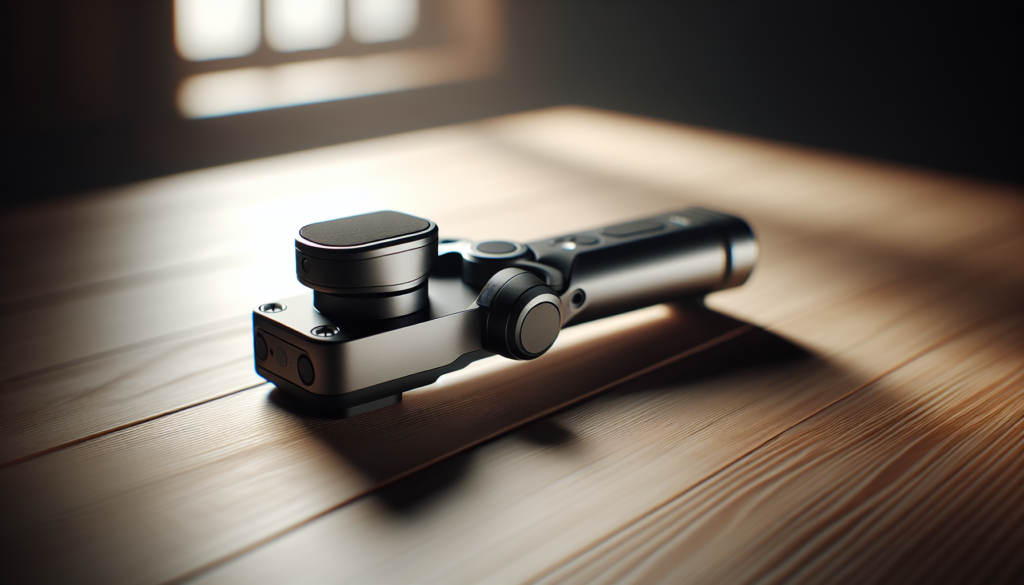
You’ll consider these accessories to tailor the a10 to your needs.
| Accessory | How it helps you |
|---|---|
| Mini tripod / base | Converts the gimbal into a stable base for static shots or time-lapses |
| Counterweights | Helps balance heavy accessories or larger lenses |
| External microphone | Improves on-camera audio quality for interviews and vlogs |
| LED light | Gives better exposure in low light and improves subject separation |
| Extension rod / pole | Enables higher or lower camera positions for varied perspectives |
| Smartphone clamp | Allows phone-first workflows and app-assisted features |
Battery management and power tips
Battery life matters on long shoots. You’ll follow these tips to avoid being stranded.
- Charge fully before long shoots and carry a power bank for USB-C models.
- Turn off Bluetooth and Wi-Fi if not using app features to save power.
- Use balanced setups so motors don’t run at high effort, which drains the battery faster.
- Keep spare batteries (if the unit supports removable packs) or a compact power bank to recharge between takes.
Maintenance and care
A little care will extend the life of your gimbal and keep performance consistent.
- Keep the gimbal folded or in a protective case when not in use.
- Avoid moisture and extreme temperatures; motors and electronics prefer dry, moderate environments.
- Clean the mounting plate and motor joints from dust after outdoor shoots.
- Update firmware regularly to get bug fixes and new features.
- Store with motors off and in a neutral position when long-term storing.
Troubleshooting common issues
When things go wrong, these steps often solve the problem quickly.
Gimbal jitters or shaking
You’ll check balance first. Rebalance and then recalibrate in the app. If jitter persists, reduce payload or check for firmware updates.
Motors overheating or excessive noise
You’ll ensure you’re within payload limits. Remove heavy accessories and let the gimbal cool down. Update firmware if the issue recurs.
Bluetooth / app connection problems
You’ll restart your phone and the gimbal, clear app cache or reinstall the app, and confirm Bluetooth permissions are granted. Move away from crowded wireless environments.
Drift or slow response
You’ll calibrate the device and adjust follow speed. If drift continues, check mechanical balance and physical damage to motors or joints.
Comparing the a10 to other compact gimbals
You’ll want to compare similar models to pick the best tool for your workflow. The table shows high-level differences creators often consider.
| Criterion | eversolo a10 (compact) | Common compact competitors (e.g., similar models) |
|---|---|---|
| Portability | Designed to be small and travel-friendly | Most compact competitors prioritize portability as well |
| Ease of use | Intuitive controls for solo creators | Varies; some have steeper learning curves |
| Payload flexibility | Good for mirrorless and phones (check limits) | Some competitors offer higher payload but larger size |
| App features | Tracking, timelapse, firmware updates | Similar features often available; implementation varies |
| Price point | Positioned for creators who want value and portability | Competing models may range from budget to premium |
Always match the gimbal choice to the camera and lenses you plan to use most often.
Pros and cons you should weigh
You’ll want to balance benefits and compromises to decide whether the a10 fits your needs.
Pros
- Highly portable and easy to carry
- Intuitive single-handed controls
- Useful app features for automation and tracking
- Good battery life for everyday shoots
- Compatible with a wide range of small cameras and phones
Cons
- Payload limits may exclude heavier cinema or pro DSLR setups
- Compact size can mean smaller motors that strain under heavier loads
- Some advanced features found on larger gimbals may be absent
- Accessory mounting options may be limited compared to larger rigs
Who should buy the eversolo a10?
You’ll find the a10 a strong fit if you:
- Primarily shoot with mirrorless cameras or smartphones
- Need a gimbal that’s comfortable for travel and one-person shoots
- Prefer a faster setup and lighter carry load over maximum payload
- Want app-driven automated moves, tracking, and timelapse features
You might look elsewhere if you:
- Use heavy cine lenses or large sensor cameras regularly
- Need advanced rigging options for follow focuses or multi-accessory builds
- Require enterprise-level motor strength and payload redundancy
Practical buying checklist
Before you purchase, you’ll confirm these points:
- Camera weight with your most-used lens (confirm under the gimbal’s max payload)
- Whether you need a phone mount or camera plate included
- What accessories are bundled (tripod base, carrying case, chargers)
- Warranty and after-sales support for firmware and repairs
- User reviews and video tests with your camera model
Firmware updates and long-term support
You’ll check for regular firmware updates that improve motor algorithms, add features, and fix bugs. Choose a brand that communicates updates clearly and provides a straightforward app-based update process.
Sample shooting workflows
Examples help you plan real-world sessions.
Vlog day (single-person)
You’ll:
- Use smartphone or compact mirrorless
- Balance quickly and calibrate
- Start in follow mode and record walk-and-talk segments
- Switch to lock mode for sit-down segments with microphone
- Use timelapse for scenic transitions
Short film / B-roll capture
You’ll:
- Pre-balance for each camera and lens
- Use slow follow speeds for cinematic coverage
- Create reveal and tracking shots with extension rod or low-angle moves
- Capture some hyperlapse or timelapse sequences for location context
Frequently asked questions
This section answers common questions you’ll have while using a compact gimbal like the eversolo a10.
Will it carry my camera and lens?
You’ll check the combined weight and center-of-gravity. If your gear is at or under the spec’d payload and balance is achievable, it should be compatible.
How long does the battery last?
You’ll typically get several hours in normal operation. Battery life varies by load, mode, and temperature. Keep a power bank for long days.
Can I use external accessories like microphones or lights?
You’ll be able to use these but must account for extra weight. Use counterweights or a tripod base when needed.
Does it work with object tracking?
You’ll likely use the companion app for tracking features. Performance depends on lighting and the subject’s contrast.
Final thoughts and practical advice
You’ll get the most from the eversolo a10 compact gimbal for creators by matching it to the gear you actually use, practicing fast balancing techniques, and making full use of app-driven features like timelapse and tracking. Its portability and ease of use make it an excellent daily tool for content creation, travel vlogging, and small-production shoots. Remember to test your camera setup before important shoots and carry a compact accessory kit (mini tripod, spare power) to maximize uptime.
If you want, tell me the camera and lens you plan to use and whether you’ll shoot mostly handheld or mounted. I’ll help you determine if the eversolo a10 fits your kit and offer specific balancing and setting tips for that setup.