Are you looking for a reliable wireless microphone system that balances sound quality, portability, and ease of use?
Eversolo Wireless Microphone Overview
You’re reading about the Eversolo Wireless Microphone Overview focusing on the eversolo dmp a6 master edition. This article breaks down features, setup, performance, and practical tips so you can decide whether this system fits your needs.
What is the Eversolo DMP A6 Master Edition?
You’ll find that the DMP A6 Master Edition is a wireless microphone system designed for creators, filmmakers, and presenters who need a compact two-transmitter setup with a master receiver. It aims to deliver clear, low-latency audio with a package that’s usable on-camera, with smartphones, and in small live settings.
Who is it for?
You’ll benefit from this system if you record interviews, produce vlogs, host webinars, film run-and-gun shoots, or run small event AV setups. The package is aimed at users who want an upgrade from smartphone mics but don’t need a complex multi-channel rig.
Key Features
You’ll appreciate the core features that typically define the DMP A6 Master Edition and similar systems from Eversolo. These include compact transmitters, a multi-function receiver, onboard controls, and battery-powered portability.
- Dual-transmitter configuration for two-person interviews.
- Compact receiver with output options for cameras, phones, and mixers.
- Built-in rechargeable batteries and USB-C charging.
- Onboard gain controls and pairing buttons for quick setup.
- Low-latency wireless audio transmission suitable for video sync.
Technical Specifications
You’ll want to check specifications closely when comparing systems. The table below summarizes the representative technical specs you can expect; verify exact numbers against the manufacturer’s documentation before purchase.
| Specification | Typical Value / Notes |
|---|---|
| System Type | 2-transmitter + 1 receiver wireless lavalier system |
| Frequency Band | 2.4 GHz digital transmission (check local regulations) |
| Transmission Range | ~50–100 meters (line-of-sight) depending on environment |
| Latency | Typically <20 ms (suitable for video)< />d> |
| Channels/Pairing | Multiple channels and pairing slots for interference avoidance |
| Battery Life | Transmitters: ~5–8 hours; Receiver: ~6–12 hours depending on design |
| Charging | USB-C fast charging for transmitters and receiver |
| Audio Codec | Proprietary low-latency codec (manufacturer dependent) |
| Outputs | 3.5mm TRS for cameras, TRRS for smartphones, USB or 3.5mm to mixers (product-specific) |
| Weight | Lightweight transmitters (~20–60g each) and compact receiver |
| Microphone Type | Clip-on lavalier included; support for external mics in some versions |
| Monitoring | Headphone monitoring on receiver (model dependent) |
| Accessories | Windscreens, clips, charging case or cables, cables for camera/phone |
Design and Build
You’ll notice the A6 Master Edition is designed to be portable and user-friendly, with a modern, functional aesthetic. Materials prioritize lightweight construction—usually durable plastics and metal clips—so the units are comfortable to wear and easy to mount.
Transmitters: form and controls
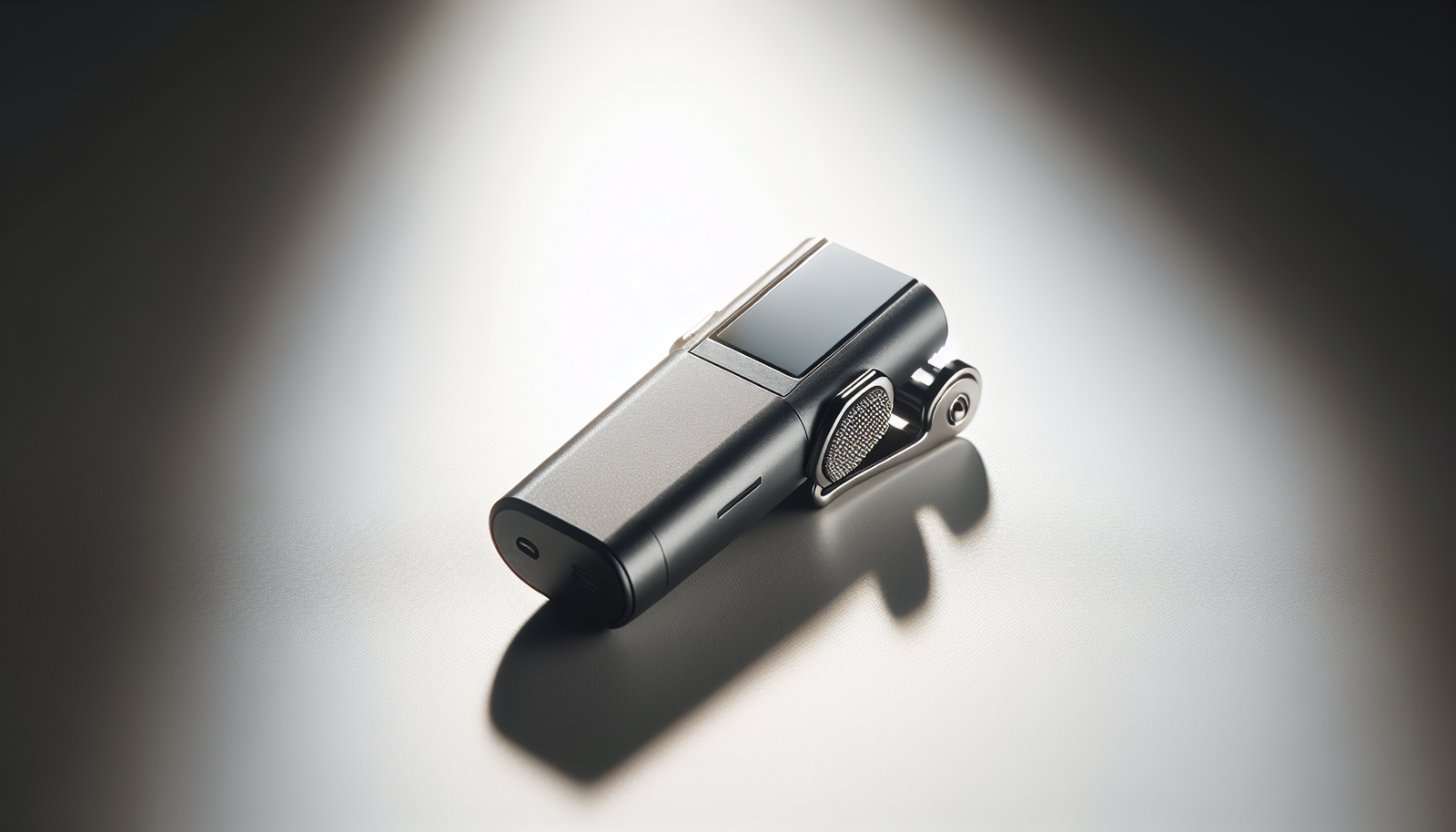
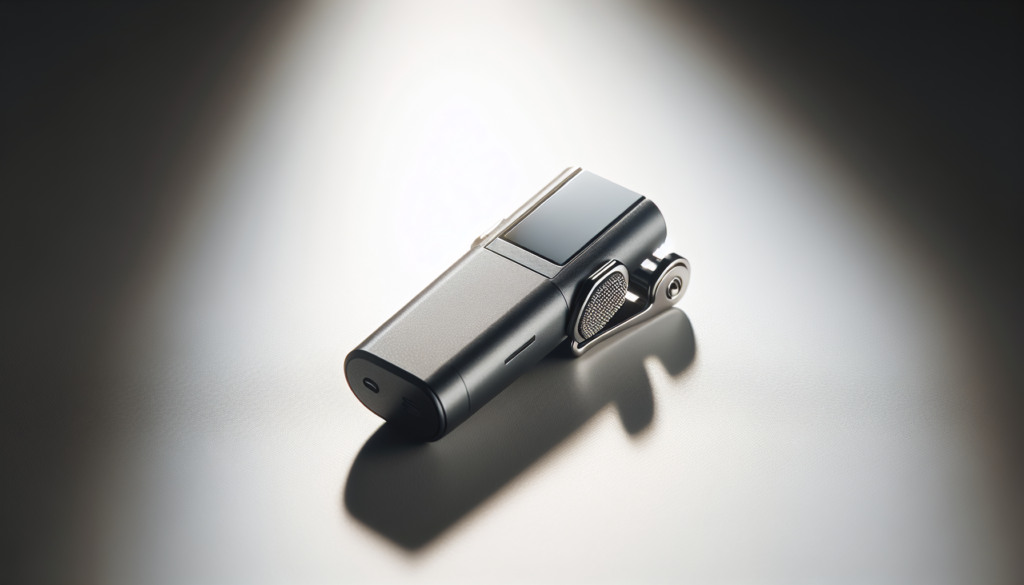
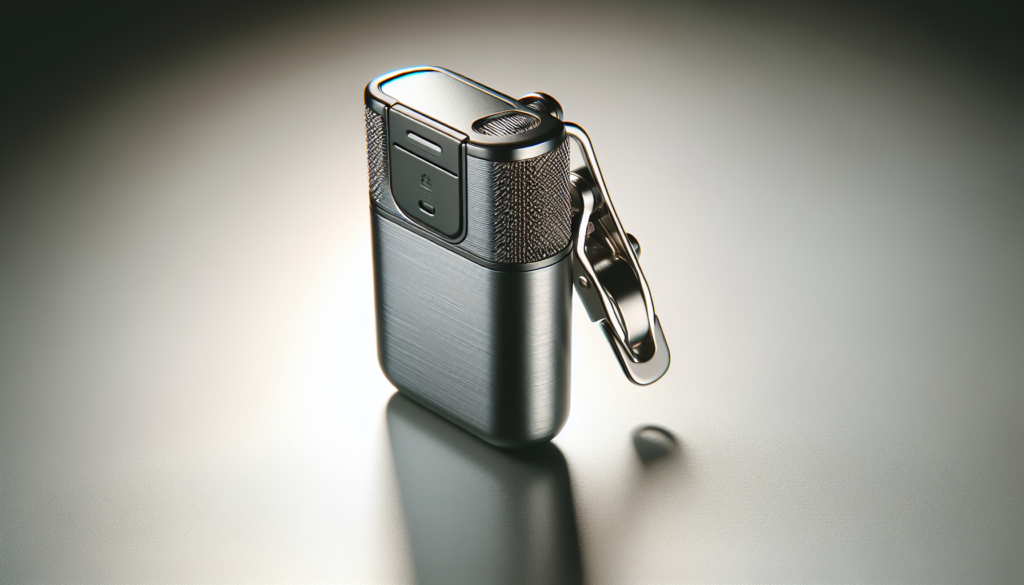
You’ll get small belt-pack transmitters that clip to clothing or sit in a pocket. These typically include a clip, a 3.5mm lavalier input, power and pairing buttons, battery indicators, and a gain control or menu access.
Receiver: layout and outputs
You’ll find the receiver is compact and often features multiple outputs so you can connect to cameras, phones, and recorders. Common controls include power, pairing, headphone monitoring level, and channel indicators to keep setup straightforward.
Microphone Options and Accessories
You’ll usually see at least one lavalier microphone bundled with the system, plus foam windscreens and mounting clips. Optional accessories may include a charging case, extra lavalier mics, shotgun microphone adapters, or smartphone mounting kits.
Lavaliers: included and recommended
You’ll likely receive omnidirectional lavalier mics for consistent speech pick-up. For noisy environments, you may prefer choosing a higher-end or directional lavalier, or adding a small windjammer to improve outdoors performance.
Optional add-ons
You’ll want to consider additional cables and adapters: TRS/TRRS adapters for smartphone compatibility, cold-shoe mounts for camera attachment, and extension cables for longer runs. A protective case and spare windscreens are useful for regular travel and fieldwork.
Performance: Range, Latency, and Audio Quality
You’ll care most about whether the system reliably captures clean audio with minimal dropouts and sync-friendly latency. The A6 Master Edition aims to provide a stable line-of-sight range, low latency for video work, and transparent sound for speech.
Wireless Range and reliability
You’ll get a practical range that performs best in open environments; range decreases in crowded RF environments or indoors with reflective surfaces. To maximize reliability, keep the line of sight between transmitters and receiver as clear as possible, and avoid placing the receiver behind metallic camera bodies.
Latency and synchronization
You’ll find latency in modern digital 2.4 GHz systems is low enough for on-camera use, typically below 20 ms. This means your audio will stay in sync with video without needing manual time alignment in most editing workflows.
Sound quality and codec behavior
You’ll experience clear midrange and intelligible speech since these systems are tuned for vocals. The audio will be good for speech and most on-camera use; if you require studio-level fidelity for music, you may need a higher-end system or direct wired microphones.
Battery and Charging
You’ll rely on battery life for uninterrupted recording sessions. The DMP A6 Master Edition commonly uses built-in rechargeable batteries with USB-C charging to simplify power management.
Typical battery life
You’ll often expect 5–8 hours from transmitters and up to 10+ hours from the receiver depending on usage and power-saving features. These estimates can vary significantly with output power settings, environmental conditions, and firmware.
Charging behavior and tips
You’ll appreciate USB-C charging because it’s faster and more universal than older micro-USB connectors. Charge transmitters fully before long sessions, and carry a small power bank if you’ll be on location all day.
Connectivity and Compatibility
You’ll want to ensure the system connects cleanly to your camera, smartphone, or recorder. The A6 Master Edition typically provides both TRS and TRRS outputs through supplied cables and may offer USB output for computers.
Camera, phone, and computer connections
You’ll use TRS for most cameras, TRRS for smartphones, and potentially USB for direct computer input. Make sure you use the correct cable or adapter; the wrong connector can result in mono audio or no signal at all.
Using with DSLR/mirrorless cameras
You’ll mount the receiver on a camera cold shoe and route the TRS output to the camera’s mic input. Keep an eye on camera preamp levels to avoid peaking; set the transmitter gain sensibly and monitor levels if your receiver supports headphone monitoring.
Using with smartphones and tablets
You’ll plug the TRRS cable into your phone’s headset jack (if present) or use an appropriate adapter for lightning or USB-C ports. Test your phone’s recording app ahead of time to confirm it recognizes the external mic input.
Setup and Pairing
You’ll be able to set up the system in minutes with the right steps. Follow this straightforward process to pair transmitters with the receiver and confirm audio flow.
- Charge all units fully before first use and power on each device.
- Put the receiver into pairing mode; consult the manual for the exact button sequence.
- Power on each transmitter and initiate pairing from each unit as instructed.
- Confirm pairing by observing LEDs or on-screen indicators and performing a sound check.
- Connect the receiver to your camera/phone/computer and monitor audio with headphones if available.
You’ll want to perform a pre-record test to confirm levels, distance behavior, and potential interference.
Mounting and Placement
You’ll get the best results when you think about where to place transmitters and lavaliers for consistent audio pickup. Clothing, movement, and physical obstructions can affect your sound.
Best practices for lavalier placement
You’ll clip the lavalier about 6–8 inches below the chin near the sternum to capture clear speech. Use fabric tape or a secondary clip to reduce rustling and stabilize the mic if the subject moves a lot.
Avoiding clothing noise and interference
You’ll pin the mic to a stable surface and route the cable under clothing when possible to minimize rubbing. Add a small foam windscreen and use a short boom or external mic if clothing still creates unwanted noise.
Monitoring and Levels
You’ll want to monitor audio where possible to avoid surprises. If the receiver offers headphone monitoring, use it to set input levels and confirm signal integrity during recording.
Setting gain and preventing clipping
You’ll set transmitter gain to capture full dynamic range without peaking on loud syllables. Aim for peaks around -12 to -6 dB on your recorder to have headroom for sudden loud sounds.
Using receiver headphone outputs
You’ll plug headphones into the receiver to monitor live input and adjust gain before recording. If headphone monitoring is unavailable, perform a conservative test recording and review it at full fidelity.
Recording Workflows
You’ll notice the system fits several common workflows for creators, each with small adjustments to settings and connections. Tailoring your approach to the medium (video, streaming, podcasting) will produce the best results.
On-camera interviews and run-and-gun
You’ll mount the receiver on the camera and clip lavaliers to subjects for quick interviews. Keep the camera’s audio gain moderate and rely on your external system to capture clean speech.
Live streaming and online meetings
You’ll connect the receiver to your computer or smartphone via USB or TRRS and select it as the audio source. Use a streaming app or platform settings to ensure audio is recognized and set levels for consistent output.
Multicamera shoots and location setups
You’ll use one dedicated recorder or a mixer to feed multiple cameras if necessary, and plan for backup audio by recording a separate track on a recorder. Use timecode or clapper cues if precise sync is needed in post.
Use Cases and Practical Examples
You’ll find the A6 Master Edition useful across many contexts. Below are practical scenarios with recommended setups.
Vlogging and solo creators
You’ll mount the receiver on the camera and use one transmitter on yourself. If you film outdoors, add a windscreen to the lavalier and keep your body positioned to protect the line of sight.
Interviews and two-person conversations
You’ll equip both people with transmitters and use the receiver’s dual mixing or two-channel outputs to record separate channels or a mixed feed. This simplifies post-production while preserving clarity for each voice.
Corporate presentations and training
You’ll clip the transmitter to the presenter and route audio to the room’s AV system, camera, or conference system. Confirm compatibility with desk mics or mixers and run a sound check to ensure even coverage.
Documentary and run-and-gun filmmaking
You’ll use two transmitters for subjects during casual or fast-moving shoots to ensure you capture usable sound. Consider an on-camera recorder as backup and use strategic mic placement to minimize ambient noise.
Troubleshooting Common Issues
You’ll run into a few common issues with wireless systems; knowing quick fixes saves time on shoots. The table below helps you identify likely causes and remedies.
| Symptom | Likely Cause | Quick Fix |
|---|---|---|
| No audio from receiver | Wrong cable or connector type | Check TRS/TRRS orientation and use correct adapter |
| Dropouts or intermittent signal | RF interference or blockages | Reduce obstructions, lower transmit power, change channel |
| Distorted or clipping audio | Gain too high | Reduce transmitter or receiver gain; monitor levels |
| Mono sound only | Incorrect cable wiring or phone adapter | Use TRS for camera, TRRS for phone; check adapter wiring |
| Short battery life | Old firmware or battery degradation | Update firmware; replace or fully charge batteries |
| High latency between audio and video | Uncommon but possible if settings are off | Check camera audio delay settings and firmware |
You’ll find many issues are resolved by checking physical connections, replacing cables, and updating firmware.
Firmware and Software
You’ll want to keep devices up to date for best performance. Eversolo typically releases firmware updates to improve stability, add features, and patch bugs.
Checking for updates
You’ll check the manufacturer’s website or companion app for the latest firmware. Follow instructions carefully—some updates require the device to be connected via USB and powered during the entire process.
Companion apps and controls
You’ll find companion apps helpful for battery status, channel management, and firmware updates if available. Not all systems include an app, but if they do, it simplifies configuration and gives you remote control of advanced settings.
Comparisons: How It Stacks Up
You’ll compare the DMP A6 Master Edition to other popular systems like Rode Wireless GO II, Saramonic Blink 500, and Hollyland. Below is a representative comparison to help assess strengths and differences.
| Feature | Eversolo DMP A6 Master Edition | Rode Wireless GO II | Saramonic Blink 500 Pro |
|---|---|---|---|
| Typical Price Range | Affordable to mid-range | Mid to higher range | Affordable |
| Transmitters Included | Two | Two | Two |
| Receiver Outputs | Camera TRS, phone TRRS, sometimes USB | TRS + USB-C | TRS + TRRS |
| Latency | Low (suitable for video) | Very low | Low |
| Battery Life | Moderate (5–8 hours) | Good (7+ hours) | Moderate |
| Monitoring | Receiver headphone monitoring (model dependent) | Yes | Varies by model |
| App/Firmware Support | Varies | Strong | Varies |
| Best For | Budget-conscious creators seeking dual mic support | Professional creators wanting premium workflow | Budget, lightweight workflows |
You’ll notice price-to-feature balance and after-sales support vary across brands; choose based on the features you can’t live without (monitoring, battery, app support).
Pros and Cons
You’ll find the strengths and limitations summarized here to help you decide quickly.
Pros
You’ll enjoy compact portability and a dual-transmitter setup that handles most two-person scenarios. The system is generally easy to use for beginners and prosumers and often includes necessary cables and lavalier mics.
Cons
You’ll face limitations in very RF-congested environments, and the audio fidelity may not match high-end, professional multi-channel rigs geared for music or critical sound production. Also, battery life and monitoring features vary by model; verify exact specs before you buy.
Buying Guide: What to Check Before Purchase
You’ll want to check several critical points before committing to buy to ensure the system fits your workflow and equipment.
- Compatibility: Ensure the included cables match your camera/phone inputs.
- Monitoring: Confirm the receiver has headphone monitoring if you require live checks.
- Battery: Check listed runtime and charging options to match your schedule.
- Range: Verify line-of-sight range values and consider your shooting environments.
- Firmware & Support: Look for manufacturer support, firmware updates, and warranty.
- Accessories: Confirm what’s bundled—extra cables, windscreens, case, or spare lavaliers.
You’ll also read reviews and watch test videos to gauge real-world performance before committing.
Maintenance and Care
You’ll extend the life of the system with proper care and routine maintenance. Treat connectors gently, keep units dry, and use a protective case for transport.
Cleaning and storage
You’ll wipe units with a soft, dry cloth and avoid solvents. Store in a padded case and leave batteries partially charged for long-term storage to avoid degradation.
Battery care
You’ll avoid fully discharging lithium batteries routinely and keep them charged between uses. If possible, rotate spare batteries or pack a power bank for extended shoots.
Legal and Regulatory Considerations
You’ll respect local wireless regulations because frequency bands and power limits vary by country. Ensure the device’s frequency band is legal in your area, and follow transmission power rules for public events.
RF compliance and licensing
You’ll check whether your country requires device registration or license for certain bands. Many consumer 2.4 GHz systems operate license-free, but always confirm local rules for professional usage.
Frequently Asked Questions (FAQ)
You’ll find the answers to common questions that help you get started quickly.
Q: Can I use the system with my smartphone?
A: Yes, if the correct TRRS cable or adapter is provided. Use a proper adapter for digital-only phone ports (lightning or USB-C).
Q: Can I record both transmitters separately?
A: Some systems provide dual-channel outputs or recorders; check whether the receiver supports separate channels or only a mixed output.
Q: Is the included lavalier durable?
A: Basic lavaliers are suitable for typical use but consider upgraded lavaliers for heavy or outdoor work.
Q: What if my audio drops out?
A: Move to a clearer line-of-sight, change channels if available, reduce obstructions, and ensure firmware is up to date.
Final Thoughts
You’ll find the Eversolo DMP A6 Master Edition attractive if you want an affordable, portable two-transmitter wireless mic system for interviews, vlogging, and many production scenarios. It balances convenience and performance, making it a practical step up from built-in camera mics or smartphone-only setups.
Decide based on the specific features you need: battery life, monitoring, cable compatibility, and how much post-production you’re willing to do. Test units when you can, and pair your purchase with essential accessories like spare cables, windscreens, and a power bank to make your shoots smoother and more reliable.